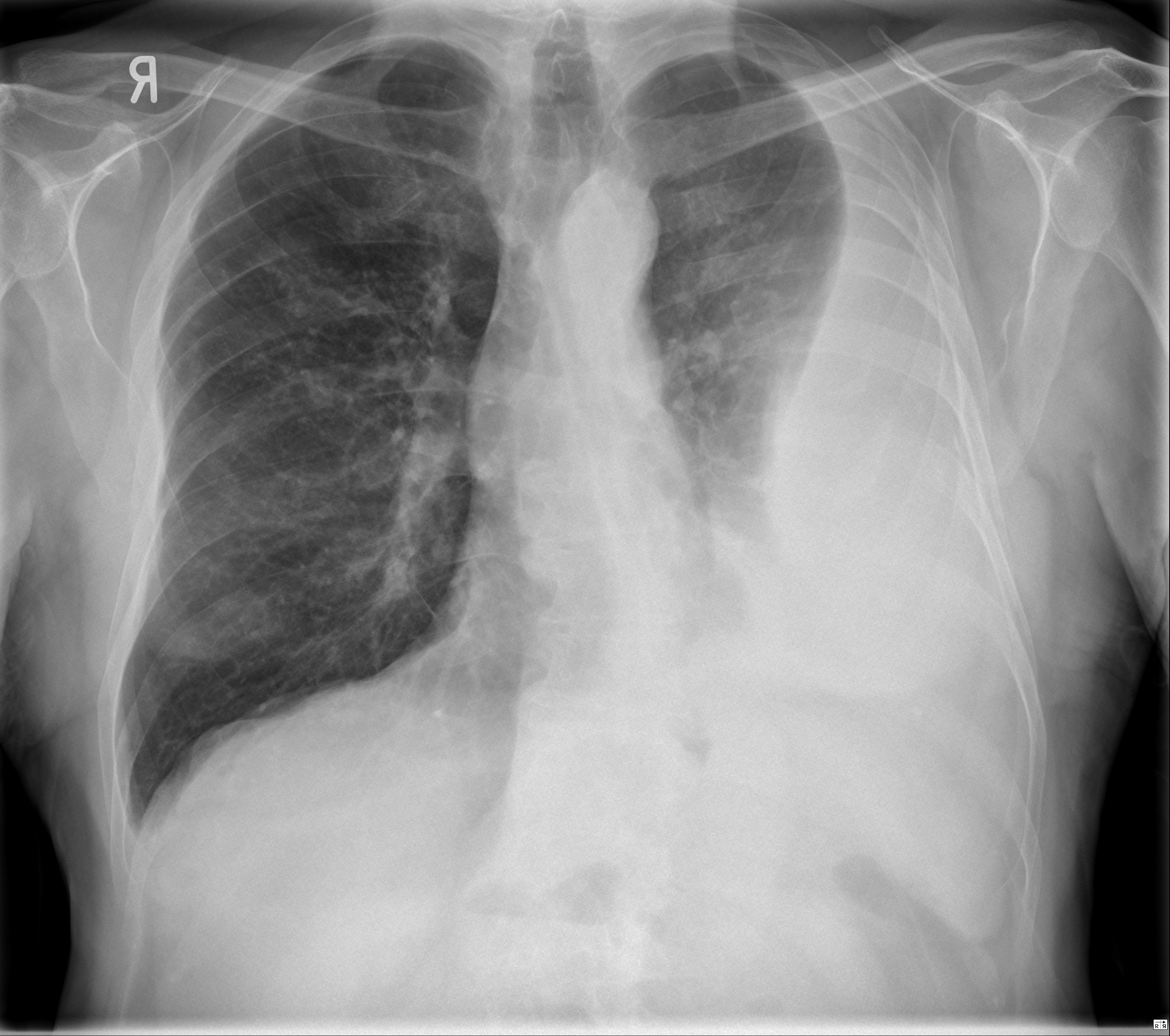
Loculated Pleural Effusion : Loculated pleural effusion | Radiology Case | Radiopaedia.org. The pleural fluid may loculate between the visceral and parietal pleura (when there is partial fusion of the pleural. Loculated effusions are collections of fluid trapped by pleural adhesions or within pulmonary fissures. If none is present the fluid is virtually always a transudate. Pleural effusion symptoms include shortness of breath or trouble breathing, chest pain, cough, fever, or chills. It can also be life threatening.
Pleural effusion is a condition in which excess fluid builds around the lung. Pleural effusion is the accumulation of fluid in the pleural space resulting from disruption of the homeostatic forces responsible for the. Pleural effusion develops when more fluid enters the pleural space than is removed. More than one half of these massive. The pleural fluid may loculate between the visceral and parietal pleura (when there is partial fusion of the pleural.
Chest X-ray Shows Cardiomegaly With Infiltration And Loculated Pleural Effusion Stock Photo ... from thumbs.dreamstime.com Pleural fluid ldh > two thirds of upper limit for serum ldh. It can also be life threatening. Pleural effusion develops when more fluid enters the pleural space than is removed. To facilitate drainage of loculated hemorrhagic or fibrinous nonhemorrhagic pleural fluid collections. Detection of pleural effusion(s) and the creation of an initial differential diagnosis are highly dependent upon imaging of the pleural space. Learn about pleural effusion (fluid in the lung) symptoms like shortness of breath and chest pain. Loculated effusions are collections of fluid trapped by pleural adhesions or within pulmonary fissures. A pleural effusion is an accumulation of fluid within the pleural space.
Ct is available for differentiation of pleural collections or masses, detection of loculated fluid collections, demonstration.
Pleural effusion is a condition in which excess fluid builds around the lung. .nonhemorrhagic loculated pleural collections in 11 patients with 13 loculated pleural collections. Pleural effusions can loculate as a result of adhesions. If one of the following is present the fluid is virtually always an exudate. Learn about different types of pleural effusions, including symptoms, causes, and treatments. Pleural fluid/serum ldh ratio >0.6. Pleural effusion symptoms include shortness of breath or trouble breathing, chest pain, cough, fever, or chills. Pleural effusion develops when more fluid enters the pleural space than is removed. Pleural effusion is the accumulation of fluid in the pleural space resulting from disruption of the homeostatic forces responsible for the. Case contributed by dr prashant mudgal. A role in selected clinical circumstances. The precise pathophysiology of fluid accumulation varies according to underlying aetiologies. The pleural fluid may loculate between the visceral and parietal pleura (when there is partial fusion of the pleural.
Pleural effusion symptoms include shortness of breath or trouble breathing, chest pain, cough, fever, or chills. Learn step 2 and shelf essentials in a free 10 min video. Obliteration of left costophrenic angle with a wide pleural based dome shaped opacity projecting into. Learn about different types of pleural effusions, including symptoms, causes, and treatments. Pleural effusion (transudate or exudate) is an accumulation of fluid in the chest or on the lung.
Malignant Pleural Effusion - The Clinical Advisor from media.clinicaladvisor.com Pleural fluid ldh > two thirds of upper limit for serum ldh. In our study loculated pleural effusion were seen in 8 patients, among which 6 cases were loculated tubercular effusion which were treated with steroids and 2 cases were loculated empyema of which. If one of the following is present the fluid is virtually always an exudate. A role in selected clinical circumstances. Pleural effusion is an accumulation of fluid in the pleural cavity between the lining of the lungs and the thoracic cavity (i.e., the visceral and parietal pleurae). Learn about pleural effusion including causes of pleural effusion. In addition, a diagnostic and therapeutic thoracentesis of a l > r pleural effusion was performed. Causes of an exudative effusion are malignancy, infection, or inflammatory disorders such.
Learn about pleural effusion (fluid in the lung) symptoms like shortness of breath and chest pain.
More than one half of these massive. Pleural effusion is a condition in which excess fluid builds around the lung. Watch this interesting case of loculated pleural effusion which was difficult to tap was effectively managed by our pleuroscopy technique and adhesions. Pleural fluid ldh > two thirds of upper limit for serum ldh. The pleura are thin membranes that line the lungs and the. Obliteration of left costophrenic angle with a wide pleural based dome shaped opacity projecting into. Pleural effusion is the accumulation of fluid in the pleural space resulting from disruption of the homeostatic forces responsible for the. Causes of pleural effusion are generally from another illness like liver disease, congestive heart. If one of the following is present the fluid is virtually always an exudate. Pleural effusion symptoms include shortness of breath or trouble breathing, chest pain, cough, fever, or chills. A pleural effusion is an accumulation of fluid within the pleural space. Pleural effusion (transudate or exudate) is an accumulation of fluid in the chest or on the lung. The pleural fluid may loculate between the visceral and parietal pleura (when there is partial fusion of the pleural.
Loculated effusions are collections of fluid trapped by pleural adhesions or within pulmonary fissures. Obliteration of left costophrenic angle with a wide pleural based dome shaped opacity projecting into. Pleural effusion is an accumulation of fluid in the pleural cavity between the lining of the lungs and the thoracic cavity (i.e., the visceral and parietal pleurae). A pleural effusion is an accumulation of fluid within the pleural space. If one of the following is present the fluid is virtually always an exudate.
Loculated pleural effusion | Radiology Case | Radiopaedia.org from images.radiopaedia.org Learn step 2 and shelf essentials in a free 10 min video. Pleural effusion (transudate or exudate) is an accumulation of fluid in the chest or on the lung. Ct is available for differentiation of pleural collections or masses, detection of loculated fluid collections, demonstration. Learn about pleural effusion including causes of pleural effusion. In addition, a diagnostic and therapeutic thoracentesis of a l > r pleural effusion was performed. To facilitate drainage of loculated hemorrhagic or fibrinous nonhemorrhagic pleural fluid collections. Loculated effusions are mostly due to adhesions driven by pleural inflammation; The precise pathophysiology of fluid accumulation varies according to underlying aetiologies.
Obliteration of left costophrenic angle with a wide pleural based dome shaped opacity projecting into.
Learn step 2 and shelf essentials in a free 10 min video. Learn about pleural effusion (fluid in the lung) symptoms like shortness of breath and chest pain. .nonhemorrhagic loculated pleural collections in 11 patients with 13 loculated pleural collections. Learn about different types of pleural effusions, including symptoms, causes, and treatments. Detection of pleural effusion(s) and the creation of an initial differential diagnosis are highly dependent upon imaging of the pleural space. Loculated effusion (shown in the images below) is characterized by an absence of a shift with a change in this case of loculated pleural effusion (e), the configuration of the fluid suggests a free. Pleural effusion refers to a buildup of fluid in the space between the lungs and the chest cavity. Pleural fluid/serum ldh ratio >0.6. A role in selected clinical circumstances. Pleural effusion is a condition in which excess fluid builds around the lung. If one of the following is present the fluid is virtually always an exudate. Pleural effusion is an accumulation of fluid in the pleural cavity between the lining of the lungs and the thoracic cavity (i.e., the visceral and parietal pleurae). Pleural fluid ldh > two thirds of upper limit for serum ldh.